

Paper or Plastic? The Home Dialysis Decision that Matters Most

When I was a teenager working at a large retail store, I was trained to ask every customer, “Paper or plastic?” This question became standard in grocery stores across the U.S. in the late 20th century, as plastic bags emerged as an alternative to paper. The choice wasn’t just about convenience: some customers valued the sturdiness and recyclability of paper, while others preferred the lightweight durability of plastic. Over time, the question came to symbolize the importance of offering options tailored to individual preferences and needs.
Years later, I still find myself thinking about that simple question—not just at the checkout line, but in my clinical practice. It reminds me that the choices we make in healthcare, especially those involving the daily routines and comfort of individuals living with kidney disease, should always be made together with them and their care partners. Just as every shopper had a say in how their groceries were bagged, every person deserves a voice in the product decisions about their care.
The Full Spectrum: From Newborns to Older Adults
I’ve cared for people living with kidney disease at both ends of the
age spectrum—from a fragile newborn starting peritoneal dialysis to Mrs.
J, an 87-year-old transitioning from in-center  to
home hemodialysis with her devoted care partner, her daughter. Their
needs couldn’t be more different, yet both require thoughtful, shared
decision-making about skin antisepsis.
to
home hemodialysis with her devoted care partner, her daughter. Their
needs couldn’t be more different, yet both require thoughtful, shared
decision-making about skin antisepsis.
For the newborn, commonly used CHG swabsticks caused a severe skin reaction—erosive contact dermatitis at the catheter site. Switching to a gentler antiseptic resolved the situation and restored skin integrity. This case highlights the importance of individualized product selection and the need for nurses to advocate for safer options when sensitivities arise.
Initiatives with organizations like the Children’s Hospital Association, such as the national SCOPE (Standardizing Care to Improve Outcomes in Pediatric End Stage Renal Disease) Collaborative, have been instrumental in improving pediatric dialysis care. The SCOPE collaborative focused on reducing infections and improving outcomes for children on dialysis by standardizing care practices. Abstracts at renal conferences and published literature consistently address the prevalence of skin sensitivities in the pediatric population, showcasing the complexities of maintaining skin integrity in these individuals.
On the other end of the spectrum, Mrs. J’s story highlights the unique challenges faced by older adults and their care partners. Mrs. J’s daughter initially expressed significant fears about infection risk at home, feeling that in-center dialysis was safer because “it was sterile and professionals would be present in the event of an emergency.” Her concerns were valid and common among care partners considering home dialysis for their loved ones.
 To
address these fears, our team provided thorough education on the
differences between dialysis modalities, emphasizing the
rigorous training, aseptic techniques, and infection prevention products
used in the home setting. We discussed the pros and cons of
available antiseptics. Alcohol and betadine were familiar, and we
explored additional measures, even those with out-of-pocket costs, to
further minimize risk. These included gentler antiseptics like sodium
hypochlorite solutions, single-use applicators, barrier films, and a
clear emergency plan. Through hands-on training and open dialogue, Mrs.
J’s daughter gained confidence in her ability to provide safe, effective
care at home. Ultimately, these individualized strategies empowered both
Mrs. J and her daughter, supporting a successful transition to home
dialysis while maintaining skin integrity and minimizing infection
risk.
To
address these fears, our team provided thorough education on the
differences between dialysis modalities, emphasizing the
rigorous training, aseptic techniques, and infection prevention products
used in the home setting. We discussed the pros and cons of
available antiseptics. Alcohol and betadine were familiar, and we
explored additional measures, even those with out-of-pocket costs, to
further minimize risk. These included gentler antiseptics like sodium
hypochlorite solutions, single-use applicators, barrier films, and a
clear emergency plan. Through hands-on training and open dialogue, Mrs.
J’s daughter gained confidence in her ability to provide safe, effective
care at home. Ultimately, these individualized strategies empowered both
Mrs. J and her daughter, supporting a successful transition to home
dialysis while maintaining skin integrity and minimizing infection
risk.
Antiseptic Options: Weighing Efficacy and Tolerability
At the start of any home dialysis journey, it’s essential to review all available antiseptic options with the patient and care partner (if there is one):
Chlorhexidine Gluconate (CHG): Highly effective for infection prevention, with drawbacks. Contact dermatitis is a well-documented concern, particularly in older adults and those with darker skin tones, who may have more pronounced or atypical reactions.
Povidone-Iodine (Betadine): A familiar choice, but can cause staining, irritation, and delayed healing, especially in fragile or compromised skin.
Alcohol-Based Solutions: Fast-acting, but often lead to dryness and stinging, and can exacerbate skin breakdown in elderly or sensitive individuals.
Sodium Hypochlorite: A gentle, non-alcohol-based alternative with broad antimicrobial activity and a lower risk of irritation. For patients who have sensitivities to or adverse reactions with other products, this option may be a comfortable and effective solution.
Other options: Hypochlorous acid and other novel agents are under investigation for their balance of efficacy and tolerability.
By thoughtfully considering the full range of available products,
nurses and care partners can tailor their approach to each individual’s
needs, preferences, and experiences. This supports skin
integrity and infection prevention and also empowers patients and
families to be active participants in their care. 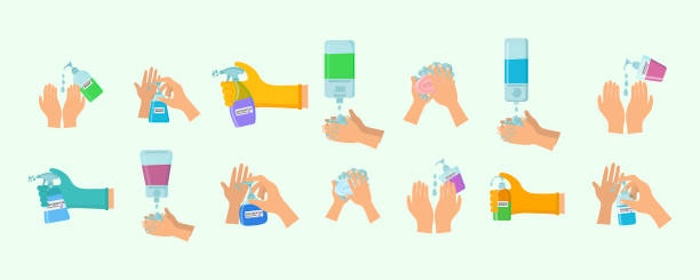
The Power—and Challenge—of Shared Decision-Making
Just as each shopper has a preference for paper or plastic, each person living with kidney disease brings unique experiences and sensitivities to the table. That’s why it’s essential for us to engage patients and care partners in these decisions, discussing the risks, benefits, and personal factors that matter most to them. Shared decision-making improves comfort and outcomes and gives patients a voice in the product decisions about their care.
 However,
the reality is that our choices are often limited by what’s available on
our organization’s approved formulary. Sometimes the product that best
protects an individual is not one that’s readily available—and
it may be the one you have to advocate for. While prescribers
are knowledgeable in many areas of care, preferences for
antiseptic solutions are often nurse-led. Our profession
doesn’t benefit from mass media advertisements or direct-to-consumer
marketing campaigns that highlight the value of these products. Instead,
we rely on options that trickle down from organizational
decision-makers, often with cost as the primary driver. The perception
of cost, combined with the challenge of gathering robust clinical data
to support the “best” option, can hinder access to optimal products.
Too often, alcohol, betadine, and harsh CHG products are the
only options on hand.
However,
the reality is that our choices are often limited by what’s available on
our organization’s approved formulary. Sometimes the product that best
protects an individual is not one that’s readily available—and
it may be the one you have to advocate for. While prescribers
are knowledgeable in many areas of care, preferences for
antiseptic solutions are often nurse-led. Our profession
doesn’t benefit from mass media advertisements or direct-to-consumer
marketing campaigns that highlight the value of these products. Instead,
we rely on options that trickle down from organizational
decision-makers, often with cost as the primary driver. The perception
of cost, combined with the challenge of gathering robust clinical data
to support the “best” option, can hinder access to optimal products.
Too often, alcohol, betadine, and harsh CHG products are the
only options on hand.
All products have their pros and cons. Yet, as nurses, we can and should challenge ourselves to apply the same medication rights to these solutions as we would to any other medication.
The Evolution of Safety and Autonomy in Product Selection
The Five Rights of medication administration—right patient, right medication, right dose, right route, and right time—have long been the foundation of safe nursing practice. These rights are designed to prevent errors and ensure that each person receives the correct treatment in the safest possible way.
However, as our understanding of patient safety and autonomy has grown, so too has the list of rights. The expansion to include additional rights—such as right documentation, right reason, and right to refuse—showcases the evolution of our approach. These additions reflect a deeper commitment to transparency, individualized care, and respect for patient choice.
Just as our safety frameworks have evolved, so have the products and techniques we use to protect people living with kidney disease. Today, we consider efficacy and tolerability and how our choices support autonomy, informed consent, and the unique needs of each person and care partner. This ongoing evolution ensures that our care remains both safe and person-centered, adapting to new evidence and the voices of those we serve.
Applying the "Five Rights" to Antiseptic Solutions: A Practical Example
When selecting an antiseptic for people who use home dialysis, it’s essential to apply the "Five Rights" of medication administration to ensure safety, efficacy, and respect for sensitivities. Here’s how this process might look in practice for sodium hypochlorite solutions:
| Right | Clinical question | Application to Sodium Hypochlorite (e.g., ExSept Plus) |
|---|---|---|
| Right patient | Is this solution appropriate for this patient, considering skin integrity, sensitivities, and age? | Yes. For those with a history of mild skin irritation with alcohol-based and CHG products, sodium hypochlorite is less likely to cause irritation and is suitable for sensitive skin. |
| Right medication | Does it provide antimicrobial protection for the dialysis access? | Yes. Sodium hypochlorite offers broad-spectrum antimicrobial activity, effective for exit site care and infection prevention, while minimizing the risk of contact dermatitis. |
| Right dose | Are we using the right amount to ensure efficacy without excess exposure? | Yes. Use a single-use applicator, applying enough solution to thoroughly cleanse the site, per manufacturer guidelines, and discard any unused product. |
| Right route | Is it being applied correctly to the intended site? | Yes. Apply directly to the catheter exit site using a sterile technique, ensuring full coverage of the area at risk for infection. |
| Right time | Is the timing of application optimal for infection prevention and skin health? | Yes. Apply at each dressing change and after any activity that may compromise the site, such as showering, following the prescribed protocol. |
By systematically asking and answering these questions, nurses and care partners can ensure that product selection is individualized, evidence-based, and sensitive to the unique needs of each person living with kidney disease at home.
Key Takeaways
Individualized Care Matters: No single antiseptic is right for every patient. Assessing skin type, sensitivities, and patient preferences is essential for optimal outcomes.
Standard Products Have Drawbacks: CHG, betadine, and alcohol-based solutions are effective but can cause irritation, especially in vulnerable populations.
Gentle Alternatives Exist: Sodium hypochlorite solutions, such as ExSept Plus, offer broad antimicrobial protection with a lower risk of irritation, making them a valuable option for patients with sensitivities.
Empowerment Through Knowledge: Nurses and medical professionals are uniquely positioned to advocate for the best product for each patient, using the “Five Rights” and shared decision-making as their guide.
The Power of Choice: Just as in everyday life, offering and considering all available options leads to better, more person-centered care.
References
Lachapelle JM. A comparison of the irritant and allergenic properties of antiseptics. Eur J Dermatol. 2014;24(1):3-9
Bigliardi PL, Alsagoff SAL, El-Kafrawi HY, Pyon JK, Wa CTC, Villa MA. Povidone iodine in wound healing: A review of current concepts and practices. Int J Surg. 2017;44:260-268
Kampf G, Löffler H. Hand disinfection in hospitals—benefits and risks. J Dtsch Dermatol Ges. 2010;8(12):978-983
Sibbald RG, Leaper DJ, Queen D. Iodine made easy. Wounds International. 2011;2(2):1-6.
Fadem SZ, Walker DR, Abbott G, et al. Satisfaction with renal replacement therapy and education: the American Association of Kidney Patients survey. Clin J Am Soc Nephrol. 2011;6(3):605-612
Institute for Safe Medication Practices. The Five Rights: A Destination Without a Map. ISMP Medication Safety Alert! 2007;12(5):1-3
Comments